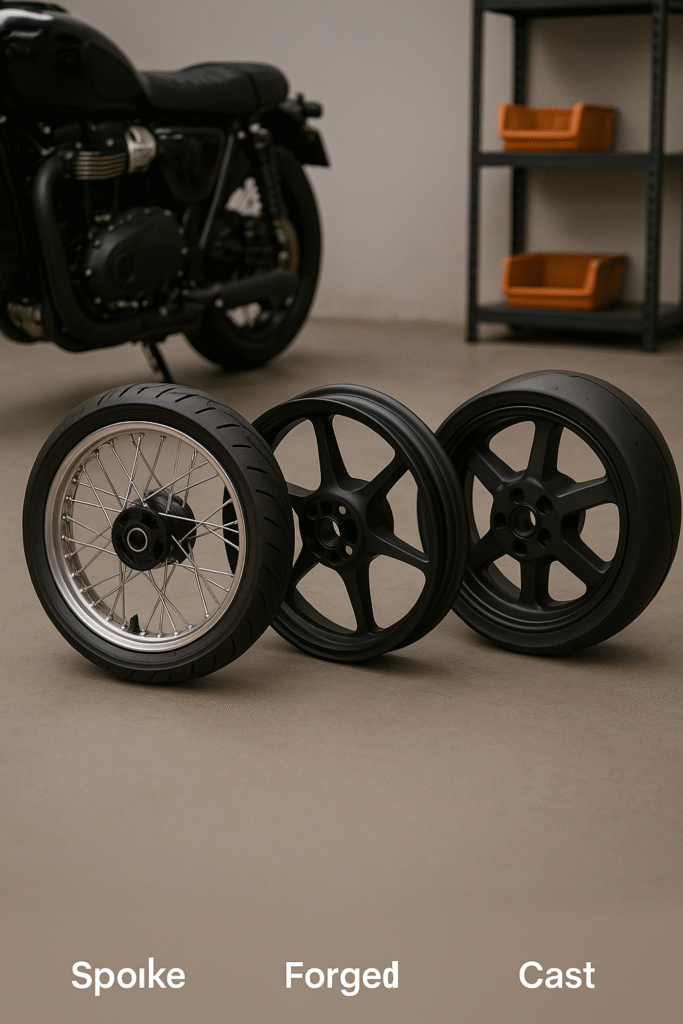
Forged magnesium and forged aluminum wheels both deliver a major upgrade over cast wheels—but they solve different business problems for custom shops, distributors, and OEM buyers.
Thank you for reading this post, don't forget to subscribe!If your customers are chasing maximum weight reduction and fastest handling response, forged magnesium can be the right premium line. If you need high performance with lower sourcing and aftersales risk, forged aluminum is often the smarter, scalable choice.
This article breaks down the real differences, the best-fit use cases, and a copy/paste buyer checklist you can use to qualify suppliers.
Forged vs Forged: What’s the Same?
Because both options are forged, they typically share these advantages (when designed and manufactured correctly):
- Higher material density than casting
- Better fatigue performance potential than cast wheels
- More consistent mechanical properties for performance applications
So the core question isn’t “forged or not”—it’s which material fits your market, product positioning, and risk tolerance.
The Real Differences: Magnesium vs Aluminum (Buyer View)
Below is a procurement-friendly comparison you can use internally.
| Factor | Forged Magnesium Wheels | Forged Aluminum Wheels |
|---|---|---|
| Weight reduction potential | Highest | Very good (usually heavier than magnesium) |
| Handling response | Fastest steering feel (lower unsprung mass) | Strong, slightly less “snap” than magnesium |
| Corrosion sensitivity | Higher (coating and maintenance are critical) | Lower (generally easier to protect) |
| Finish tolerance | More demanding; coating stack quality is a make-or-break | More forgiving across climates and use cases |
| Cost & scaling | Typically higher; stricter process control required | Often better cost stability for volume programs |
| Street daily use | Suitable when properly specified and maintained | Broadest fit for daily street + mixed use |
| Best business fit | Premium track/performance line | Core SKU for wholesale/OEM and broad market |
Practical takeaway:
- Magnesium = performance-first material
- Aluminum = balance-first material
Why Weight Matters: What Customers Actually Feel
Wheels influence two things riders feel immediately:
- Unsprung mass (how fast the suspension can react)
- Rotational inertia (how much energy it takes to accelerate/decelerate the wheel)
From a business perspective, this is why lightweight wheels often become a high-margin upgrade category—customers can feel improved steering response, braking feel, and acceleration.
Best Use Cases for Forged Magnesium Wheels
Forged magnesium is a strong choice when you can sell (and support) a premium performance story.
1) Track Day and Racing Builds
- Customers value lap-time gains and sharp response
- Maintenance/inspection routines are more accepted
- Ideal for top-tier performance positioning
2) Ultra-Lightweight Premium Custom Builds
- Boutique projects where weight and exclusivity matter
- Often paired with custom finishes, laser logos, limited runs
3) High-End Dealer Performance Packages
- Works well when combined with suspension/brake upgrades
- Magnesium becomes the headline “premium” feature
Important for B2B programs: magnesium requires stricter control of:
- coating stack selection
- installation quality
- aftersales policy and maintenance guidance
Best Use Cases for Forged Aluminum Wheels
Forged aluminum is the “workhorse” choice for scaling, especially for international wholesale.
1) Street Performance (Daily + Weekend)
- Clear performance benefits with simpler ownership
- Lower finish-related complaint risk in mixed climates
2) Distribution/Wholesale SKUs
- Easier to standardize finishes and packaging
- More predictable aftersales performance
- Better fit for inventory planning
3) OEM-Style Repeat Programs
- Often aligns better with long-term repeatability requirements:
- consistent QC
- stable pricing
- defined documentation and labeling
Corrosion and Finish: The Hidden Driver of Complaints
For international markets—especially coastal regions or winter-salt environments—corrosion and finish durability become a major aftersales factor.
Magnesium: what buyers must control
- Requires a robust coating system and correct surface preparation
- Complaint rates are often driven by coating stack quality more than the forging itself
Aluminum: typical advantage
- Generally easier to protect and maintain
- More forgiving across climates and use intensity
Buyer tip: don’t ask only “what finishes can you do?”
Ask: “What coating stack do you recommend for my market, and what QC/test evidence supports it?”
How to Compare Quotes: Think in Total Cost of Ownership
Unit price is only one part of your landed cost. Compare:
- coating/finish durability expectations
- packaging level (impact/moisture protection)
- QC scope (runout/balance/inspection records)
- documentation accuracy (customs + returns)
- aftersales process clarity (replacement lead time, thresholds)
This is why forged aluminum often wins in large-scale programs, while forged magnesium wins in premium performance segments.
Buyer Checklist (Copy/Paste) for Supplier Qualification
Use this checklist to reduce back-and-forth and prevent sourcing risk.
A) Fitment and Configuration
- Confirm wheel sizes (front/rear), rim width, offset, hub bore
- Confirm brake rotor interface and sprocket/carrier interface
- Confirm ABS ring compatibility (if applicable)
- Confirm load rating and intended use (street/track)
B) Material and Process Control
- Confirm exact alloy specification and batch consistency
- Confirm forging route and heat treatment process
- Ask for critical-to-quality control points during machining
C) Finish / Coating System (Especially for Magnesium)
- Ask for recommended coating stack by market (coastal/winter salt/hot)
- Confirm surface prep steps before coating
- Define cosmetic acceptance standards (color/gloss/orange peel)
- Define warranty coverage for finish issues (peeling/bubbling/pitting)
D) Testing and QC Evidence
- Confirm runout inspection standard (radial/lateral)
- Confirm balance standard and method
- Confirm fatigue/impact testing scope (and availability of evidence)
- Request sample inspection records with sensitive info masked
- Confirm batch traceability (serial/batch ID)
E) Export Documentation and Packaging
- Ensure invoice/packing list/labels match on product name and material
- Confirm included shipment documents (spec sheet, inspection record, etc.)
- Confirm export-safe packaging (impact protection, moisture control if needed)
F) Commercial and After-Sales
- MOQ and sampling policy
- Lead time by stage (sample → approval → production)
- Spare parts availability (spacers, carriers, bearings as needed)
- Replacement process and responsibilities (timeline, thresholds)
If a supplier cannot answer these clearly, that’s a high-risk signal.
Common Buyer Scenarios: The Best Choice
“We sell mostly street builds in mixed weather and need fewer complaints.”
Best fit: forged aluminum wheels.
“Our customers want the lightest possible wheel for track performance.”
Best fit: forged magnesium wheels—only with strict coating specs and clear maintenance guidance.
“We want a premium line and a scalable line.”
Best fit: a two-tier strategy:
- forged aluminum as the core volume SKU
- forged magnesium as the premium performance line with stricter qualification requirements
Final Recommendation
If you’re building a program for broad distribution, forged aluminum is usually the safest performance upgrade to scale. If you’re targeting premium track/performance projects where weight reduction is the headline value, forged magnesium can be a powerful differentiator—but it requires tighter control of coating, QC evidence, and aftersales expectations.