Introduction
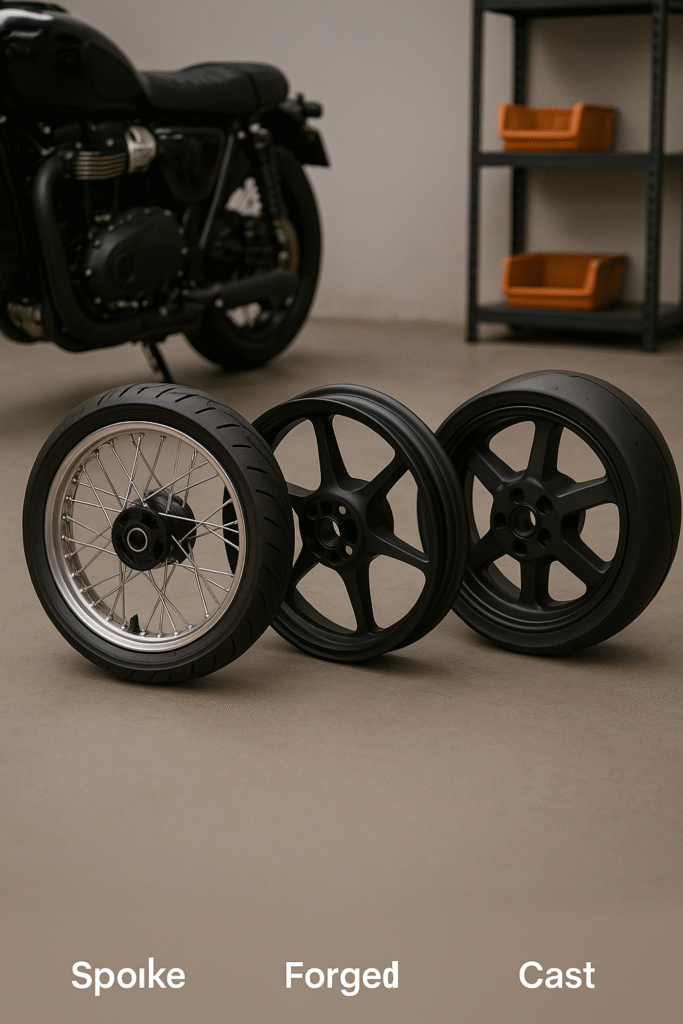
In the high‑stakes world of motorcycle wheel export logistics, packaging and shipping are far more than just operational checkboxes — they are critical success factors that directly impact delivery safety, customs clearance, cost efficiency, and your brand reputation abroad. Whether you’re exporting cast, forged, or laced motorcycle wheels to Europe, North America, Australia, or the Middle East, the way you pack and move your cargo can make or break a buyer relationship.
Thank you for reading this post, don't forget to subscribe!In this comprehensive guide, we’ll walk through industry‑best practices, highlight common pitfalls, and offer actionable strategies that experienced exporters use to mitigate risk and streamline international wheel logistics.
Why Packaging & Shipping Matter in Export Logistics
Exporting motorcycle wheels isn’t like shipping generic hardware parts — these are high‑value, precision‑engineered components, often custom ordered and expected to arrive in perfect condition. Poor packaging isn’t just a quality issue — it can trigger:
- Product damage claims and returns
- Customs delays & fines
- Higher insurance costs
- Lost buyer confidence and future business
That’s why smart exporters treat packaging and shipping as strategic functions — not logistics afterthoughts.
1. Packaging: Protecting Value Against Transit Hazards
The international transport environment exposes goods to vibration, impacts, moisture, stacking pressure, and handling shocks. That’s why packaging isn’t just about wrapping — it’s about engineered protection.
Choose the Right Packaging Type
There are three main levels of protection:
Crating:
Solid wooden or metal crates built to fit wheels or wheel sets virtually eliminate movement in transit. For high‑value exports like wheels, crating is industry standard, recommended for both ocean and air shipments. shippingmasters.com
Palletizing with Blocks & Braces:
For bulk shipments where wheels are moved in containers without full crates, use industrial pallets with blocking, bracing, and ratchet straps to immobilize loads inside the container. WC Shipping
Internal Cushioning & Protection:
Within crates or boxes, use foam padding, bubble film, or engineered cushioning materials designed to absorb impact and isolate each wheel from vibration. These materials are proven to reduce shock transfer and minimize damage risk during handling and transport. Wikipedia
Pro Tip: Internal cushioning should immobilize each wheel completely — movement within the primary package is the #1 cause of shipping damage.
Labeling and Documentation
Proper labeling does more than meet regulatory requirements — it speeds customs clearance and prevents mishandling:
- HS codes, weight, and dimension labels
- Clear “FRAGILE — HANDLE WITH CARE” tags
- Orientation arrows for stacked pallets or crates
Well‑labeled shipments show international buyers you understand their logistics needs, which builds trust and reduces errors at destination ports.
2. Selecting the Most Effective Shipping Method
Once packaged properly, the next strategic choice is shipping mode. Each mode comes with its own cost/speed/risk profile:
Ocean Freight
Best for bulk shipments — motorcycle wheels destined for overseas dealerships, distributors, or export warehouses. Ocean freight is cost‑effective, especially for high‑volume orders, but transit times can span several weeks. Adequate container securing (blocking/bracing) is critical to protect wheels from shifting at sea. WC Shipping
Air Freight
Ideal for urgent or high‑value shipments, air freight delivers speed and reliability. However, carriers charge based on chargeable weight and volume, so well‑packed as crates may offer better pricing than loose shipments. aquaairenterprises.com
Ro‑Ro & Specialized Shipping
For larger assemblies or accessory shipments tied to wheel exports (e.g., brake components), roll‑on/roll‑off services or specially configured containers can be efficient. But they require precise packaging expertise or partnership with specialized logistics providers.
3. Logistics Operational Best Practices
Pre‑Shipping Quality Control
Before packaging, inspect wheels for defects and document condition — take photos, note imperfections, and check dimensions. This documentation is invaluable if you need to file insurance claims or reconcile disputes at the destination.
Partner with Experienced Freight Forwarders
A reliable freight forwarder with experience in automotive parts export can make a world of difference. The right partner provides:
- Complete customs documentation support
- Tracking and visibility throughout transit
- Advice on insurance, tariffs, and compliance regimes
This level of expertise is especially critical for markets with strict import standards like the European Union or Middle Eastern countries.
Customs Documentation Accuracy
Export documentation must be complete and precise. At minimum, an accurate commercial invoice, packing list, and certificate of origin are required. Missing or incomplete documents can delay customs clearance and incur fines. Nagoya Motor
Special note: Bulk automotive parts like wheels may trigger additional inspections or certification requirements in some countries — planning ahead avoids costly delays.
4. Risk Management & Insurance
No matter how well you package and choose a carrier, transit risk isn’t zero. Work with your logistics partner to secure cargo insurance that covers:
- All‑risk freight coverage
- Theft and mishandling
- Port and terminal incidents
High‑value consignments like motorcycle wheels absolutely justify insurance — the cost is small compared to the value of avoiding a lost shipment.
5. Sustainable Packaging Trends
While durability is paramount, sustainability is increasingly important to global buyers and major distributors. Consider:
- Reusable packaging systems for repeat export routes
- Recyclable cushioning materials
- Reduced packaging waste that still meets protection standards Wikipedia
These practices have dual value — they lower eco‑footprint and enhance your brand’s attractiveness to environmentally conscious buyers.
Conclusion: Packaging & Shipping as Competitive Advantage
In motorcycle wheel export logistics, packaging and shipping aren’t mere costs — they’re brand differentiators. Exporters who invest in engineered packaging solutions, strategic shipping choices, and clear documentation enjoy smoother customs clearance, fewer damage claims, faster delivery times, and stronger relationships with international buyers.
If your current logistics approach still treats packaging as an afterthought, now is the time to rethink your strategy — because every shipment you send overseas is a statement of your reliability, professionalism, and commitment to quality.
👉 Need expert support in packaging and export logistics for motorcycle wheels? Contact our team today to optimize your export processes and protect your brand on every shipment.