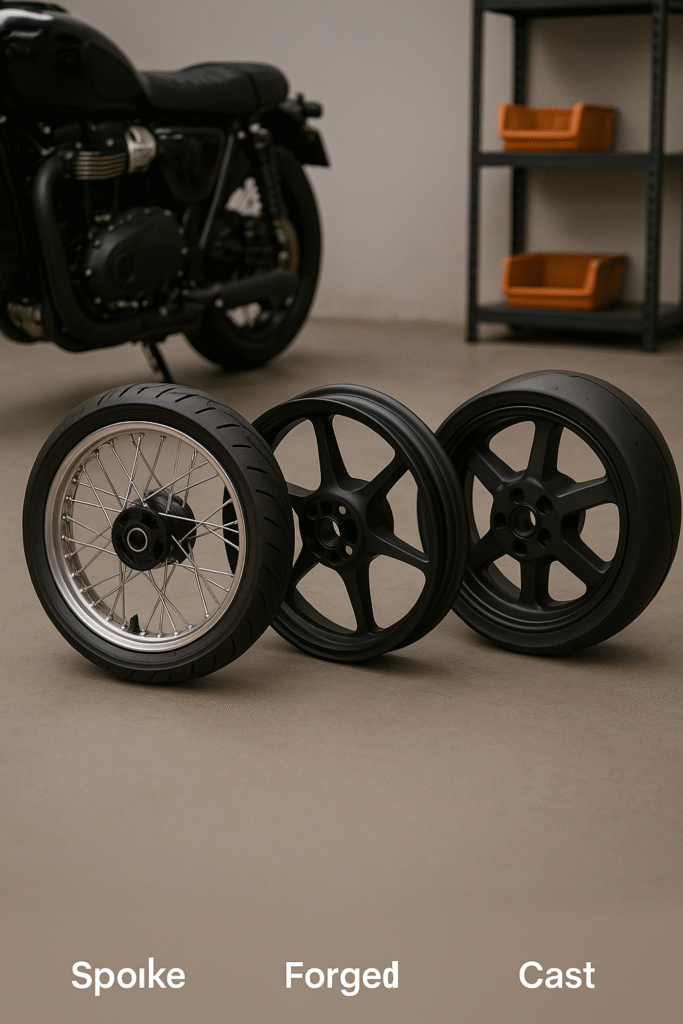
Custom motorcycle builds are no longer just about visual shock value. In 2026, the strongest projects combine identity, rideability, fitment accuracy, and commercial logic. For custom shops, distributors, and private-label brands, the best build is not simply the most dramatic one. It is the one that matches the target market, communicates a clear style language, and can actually be developed, finished, packed, and delivered without unnecessary confusion.
Thank you for reading this post, don't forget to subscribe!Recent custom motorcycle coverage in early 2026 still shows strong interest in Harley-based customs, bobbers, café racers, trackers, and heritage-inspired one-offs, even as execution becomes more refined and performance-driven. That matters for buyers: classic silhouettes still attract attention, but modern customers expect better finish quality, cleaner engineering, and more professional project delivery.
For B2B buyers, this creates a simple question: which custom motorcycle build styles are most worth investing in now?
1. Old-School Chopper Builds
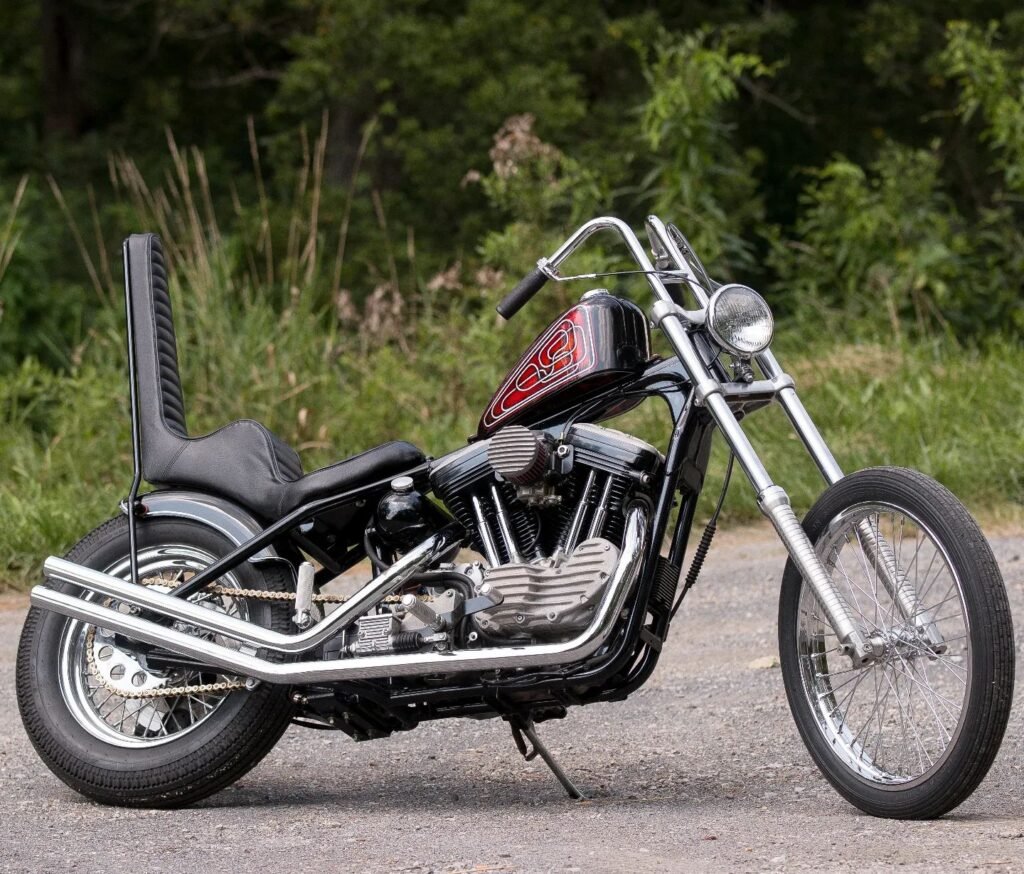
The old-school chopper remains one of the most recognizable custom motorcycle formats in the world. Long forks, stretched lines, tall handlebars, solo seats, and strong chrome or blacked-out finishes continue to define the category.
Why does it still work? Because the chopper sells emotion instantly. It is ideal for display motorcycles, premium image projects, and custom shops that want a bold visual centerpiece. For buyers, the key is not only appearance but execution. A good supplier must understand stance, line flow, front-end proportion, and how all major components work together as a complete build.
Best for: showrooms, brand image projects, premium custom shops, display units.
2. Minimalist Bobber Builds
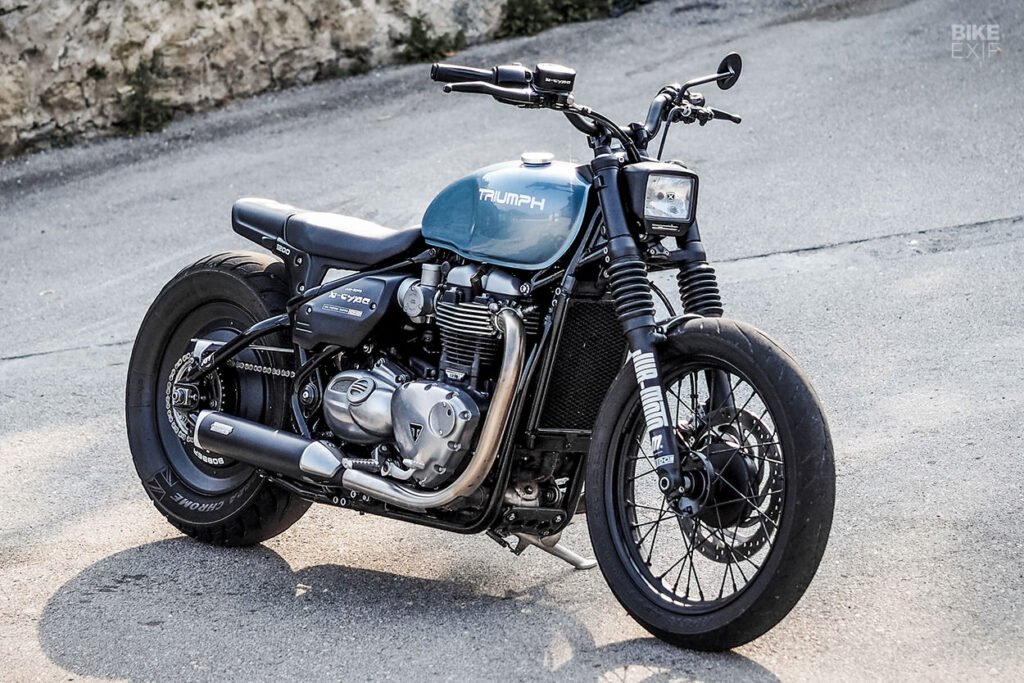
If the chopper is expressive, the bobber is disciplined. Bobbers strip the bike down to the essentials: compact silhouette, solo seat, clean rear section, lower ride stance, and minimal visual clutter.
This style remains commercially attractive because it appeals to both experienced riders and style-driven buyers. It feels custom without becoming too extreme. In many markets, a clean bobber build is easier to sell than a radical show bike because it balances attitude with usability. For procurement teams, bobbers also offer more flexibility across Harley-style and retro-based platforms.
Best for: custom dealers, urban custom shops, lifestyle-oriented buyers, repeatable small-batch projects.
3. Performance Bagger Builds
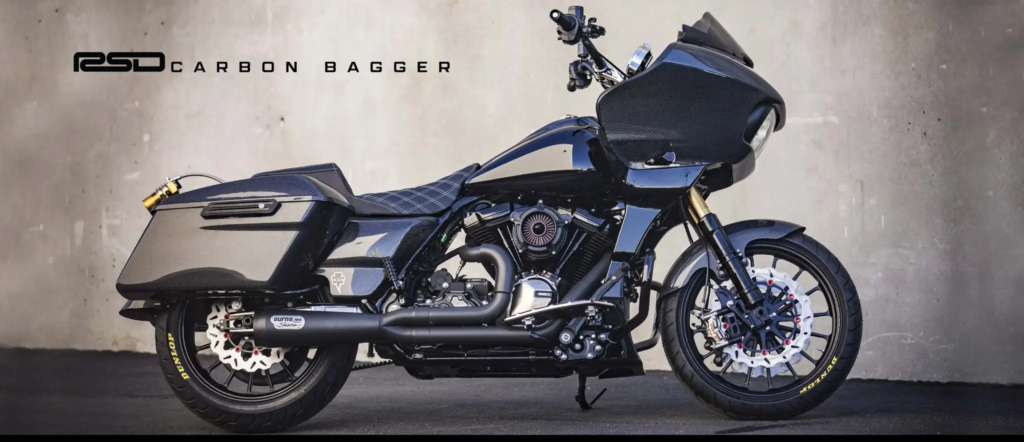
Performance baggers have moved from niche trend to serious category. These builds combine touring-bike presence with upgraded suspension, aggressive wheels, stronger braking setups, and sportier body language.
For B2B customers, performance baggers represent margin opportunity. They attract riders who want visual presence and road performance at the same time. The sourcing challenge is higher, though. The supplier must coordinate wheel fitment, braking alignment, body integration, and finish consistency across a much larger visual package.
Best for: North American dealers, Harley-focused programs, premium aftermarket projects.
4. Club Style Harley Builds
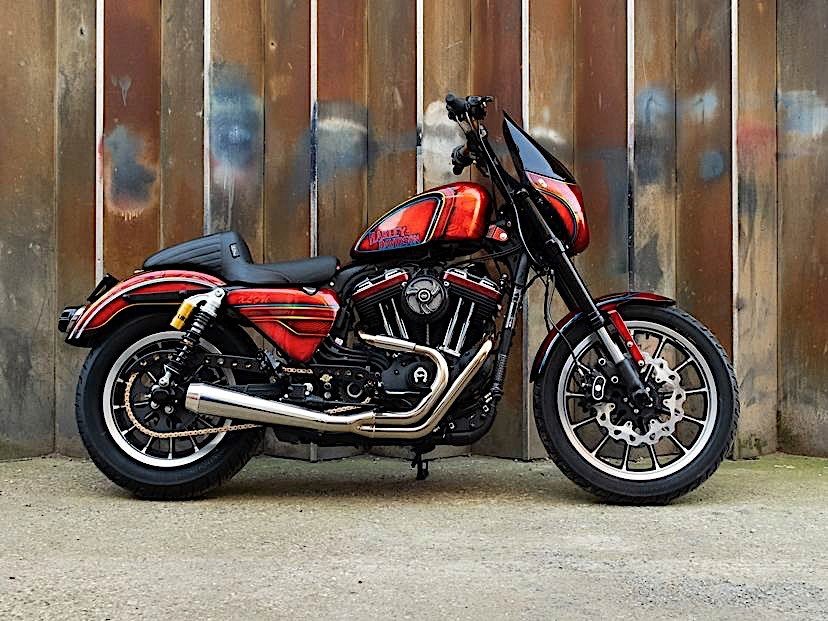
Club style remains one of the most commercially proven custom directions. Quarter fairings, taller bars, performance stance, dark finishes, and practical aggression make this style especially appealing to riders who want street credibility and everyday use.
Unlike purely decorative customs, club style builds often convert well because they look purposeful. They also open up strong aftermarket demand for wheels, bars, controls, and finishing upgrades. A reliable supplier should understand model-specific fitment and produce parts that support a cohesive final look instead of a random collection of accessories.
Best for: Harley custom shops, performance-minded street riders, upgrade-oriented retail programs.
5. Café Racer Revival Builds
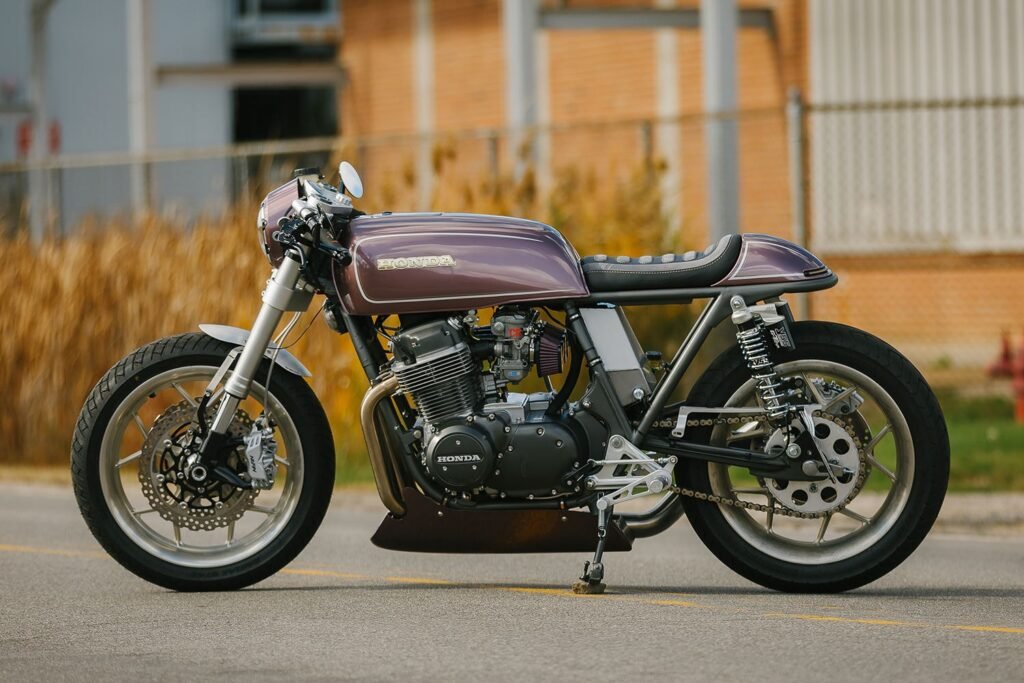
The café racer remains one of the most searched and most referenced custom categories online. Low bars, sculpted tanks, cleaner tails, and classic racing influence continue to appeal to riders who value timeless design.
What has changed is buyer expectation. Today’s café racer customer wants the vintage idea with more professional finish quality. That means better seat integration, cleaner welds, improved wheel choices, and more careful geometry decisions. For B2B buyers, café racers still work well for content marketing, showroom projects, and branded custom programs.
Best for: Europe-focused custom shops, retro bike specialists, boutique dealerships.
6. Street Tracker Builds
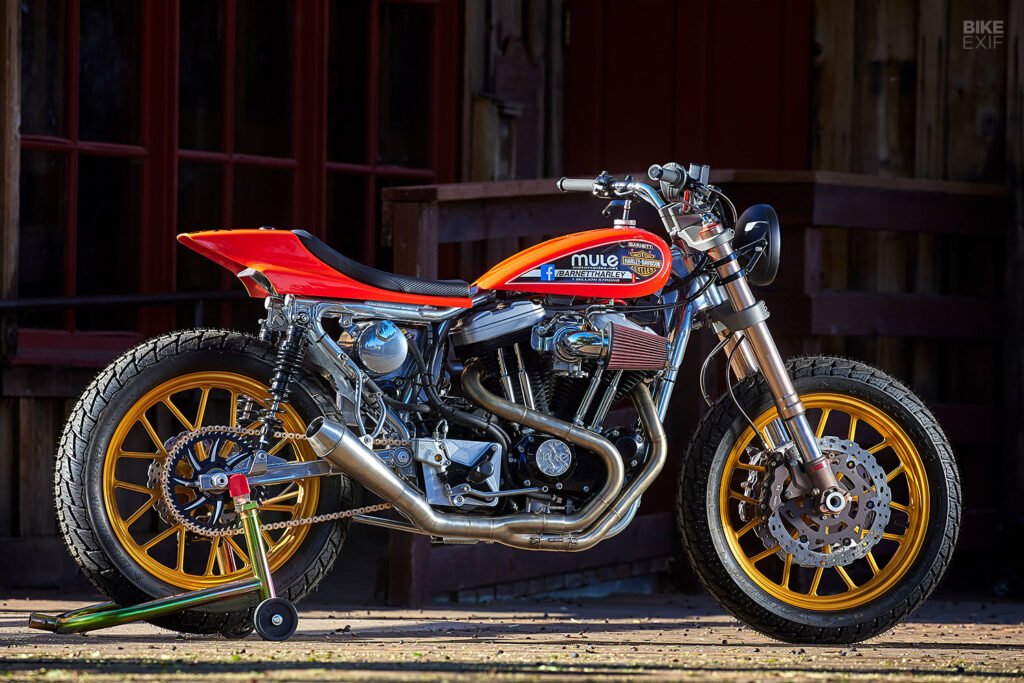
Street trackers are a smart choice for businesses that want something sporty, youthful, and less predictable than a standard café racer. Their flatter stance, dirt-track inspiration, and leaner bodywork create a build that feels active and modern without losing custom authenticity.
These builds appeal to buyers who want a motorcycle that looks fast even when parked. They also work well for mid-weight donor platforms and brand collaborations. When sourcing, wheel selection, tire balance, and front-to-rear visual proportion matter more than many buyers expect.
Best for: younger rider demographics, urban showrooms, mid-weight custom projects.
7. Adventure-Scrambler Hybrid Builds
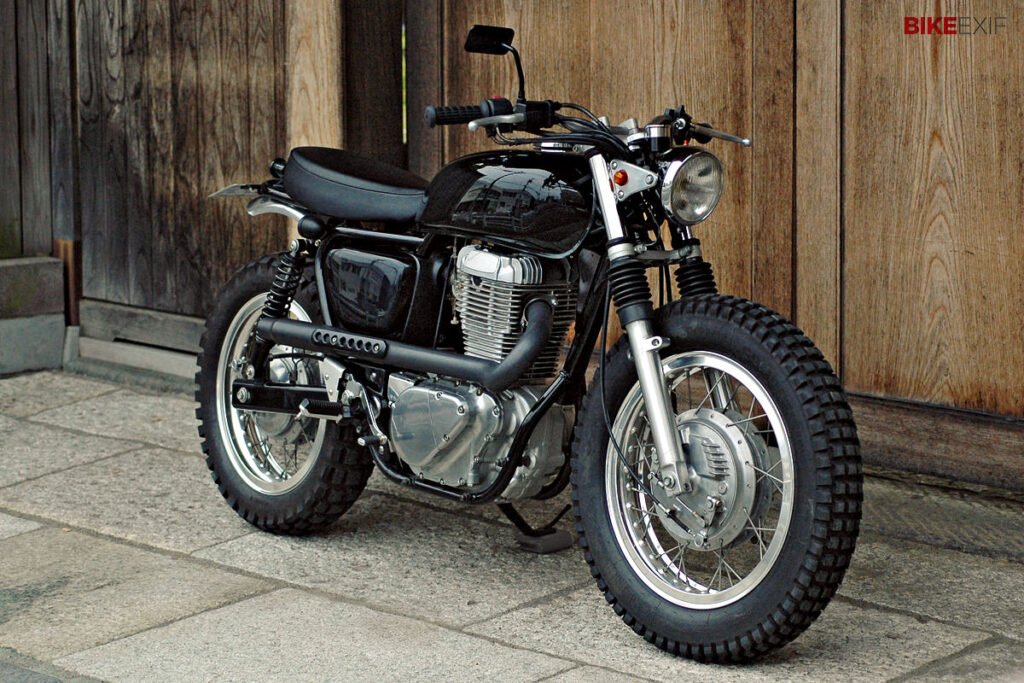
Not every custom project has to be built for chrome-heavy cruiser markets. Adventure-scrambler hybrids are gaining traction because they combine rugged aesthetics with wider market versatility. They speak to buyers who want individuality, but also practicality.
For custom shops and distributors, this format is interesting because it broadens the customer base. The build can appeal to commuters, weekend riders, and style-conscious touring customers. The supplier, however, needs to understand durability, laced wheel logic, ground-clearance priorities, and how to balance form with function.
Best for: Australia, Europe, mixed-use motorcycle markets, off-road-inspired retail lines.
8. Retro-Sport Custom Builds
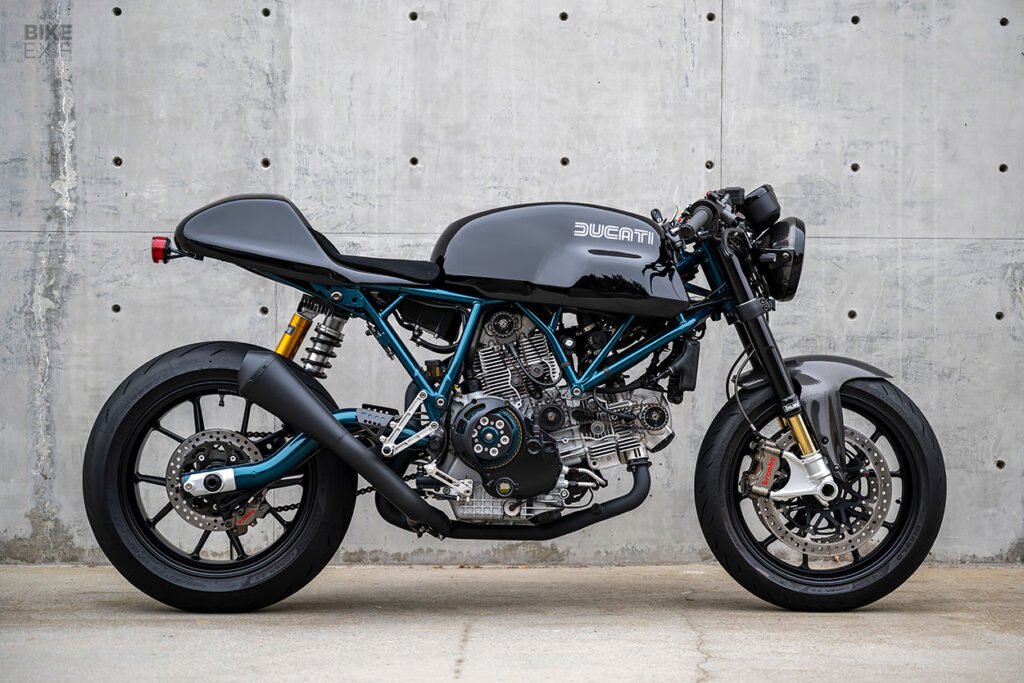
Retro-sport customs merge classic styling cues with more modern road performance. These builds often feature upgraded wheels, stronger brakes, improved suspension, and cleaner body integration while keeping a heritage-inspired design language.
This category works especially well for brands and dealers that want something premium but not overly extreme. It is also one of the most flexible segments for private-label development, because it can be positioned as aspirational, performance-led, or lifestyle-driven depending on the market.
Best for: premium dealers, Triumph/BMW-style custom markets, modern-classic audiences.
9. Branded Show and Display Builds
Some custom motorcycles are built to ride hard. Others are built to stop people in their tracks. Show and display builds are powerful commercial tools for exhibitions, launches, photography campaigns, retail windows, and brand storytelling.
These builds should never be treated as random art projects. A good display motorcycle still needs direction, manufacturing coordination, and a clear commercial purpose. The strongest display bikes reinforce a brand’s identity and create content that keeps performing long after the event is over.
Best for: trade shows, dealer launches, product campaigns, influencer and media collaborations.
10. Private-Label Low-Volume Custom Programs
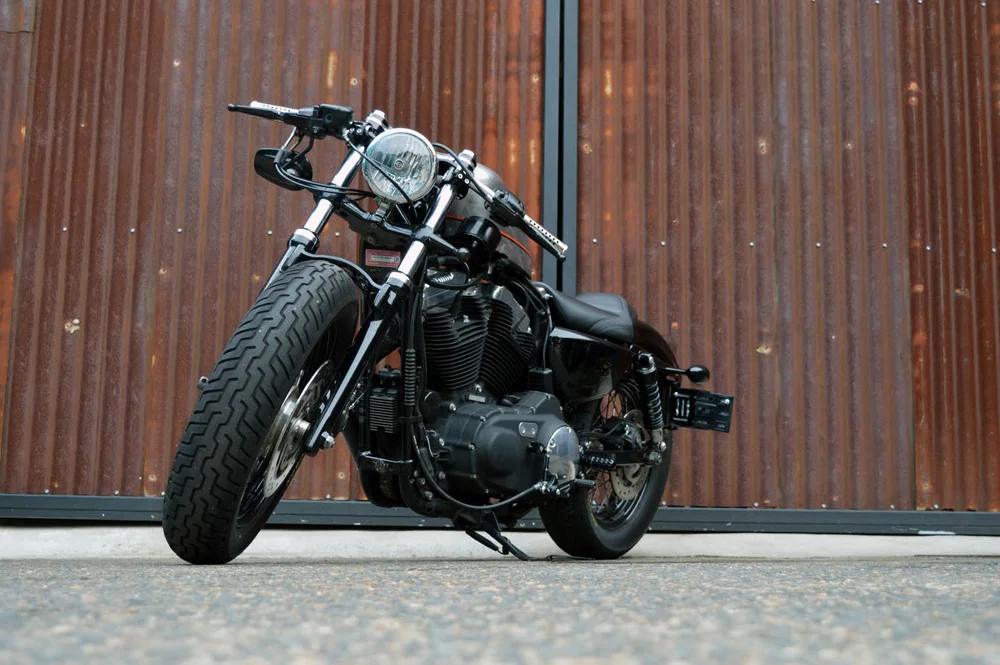
This is one of the most important categories for serious B2B buyers. Instead of commissioning one dramatic bike, more businesses are exploring low-volume custom programs that can be repeated for selected markets, dealers, or customer segments.
This model is ideal for importers, boutique brands, and custom shops ready to scale beyond one-off work. It requires stronger documentation, better communication, and more disciplined manufacturing support. But when done well, it creates a much more defensible business model than relying only on individual commissions.
Best for: distributors, private-label brands, structured custom programs, export-focused businesses.
How to Choose the Right Supplier for a Custom Motorcycle Build
A beautiful render or reference photo is not enough. In real custom motorcycle development, buyers should focus on five practical questions:
- Can the supplier understand the complete motorcycle, not just isolated parts?
- Can they support fitment clarity, wheel specification, and project coordination?
- Can they manage customization without creating delays and confusion?
- Can they provide reliable packing, QC, and export communication?
- Can they support repeatable production if the project grows?
That sourcing logic matters even more in B2B. FLEXIMOTO’s own manufacturing content frames the issue clearly: buyers care about repeatable production quality, clear fitment documentation, reliable quality control and export packaging, and customization that does not create unnecessary confusion.
Why FLEXIMOTO Is a Strong Option for Custom Motorcycle Projects
For businesses looking beyond a single off-the-shelf part, FLEXIMOTO is worth serious consideration because the company presents itself as a project partner for complete custom motorcycle builds, including chopper, bobber, display, and project-based development. Its website also highlights forged, cast, and laced motorcycle wheels, along with CNC parts, 3D-printed parts, prototype development, low-volume production, and OEM/ODM support for B2B customers. That combination is useful for buyers who need one supplier capable of supporting both visual direction and practical project execution.
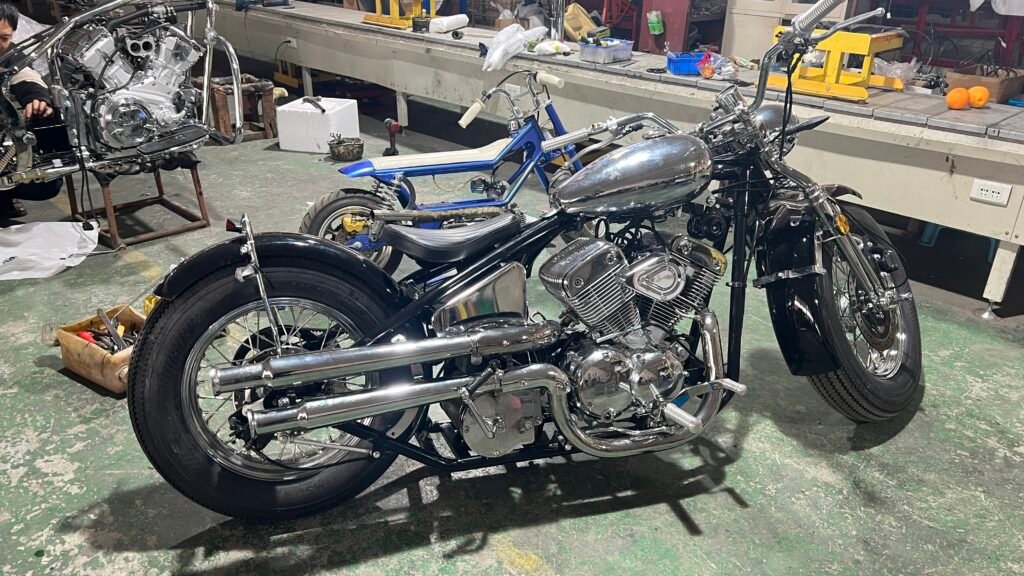
In simple terms, FLEXIMOTO fits the needs of importers, custom shops, distributors, and private-label buyers who want more than decorative parts. It is a better match for companies that need build coordination, wheel customization, export readiness, and a supplier that understands how a finished custom motorcycle needs to look, function, and arrive.
Final Thoughts
The best custom motorcycle builds in 2026 are not necessarily the wildest. They are the ones that align style, fitment, project logic, and market demand.
For custom shops, the smart move is to choose build styles that can sell repeatedly. For distributors, the opportunity lies in projects with clear positioning and scalable sourcing. And for private-label buyers, the future belongs to suppliers who can turn references and ideas into complete, commercially usable motorcycles.
The visual side of custom motorcycles will always matter. But in today’s market, the winning build is the one backed by the right partner.
FAQ
What is the most commercially viable custom motorcycle style?
Minimalist bobbers, club style Harleys, and performance baggers are among the most commercially viable because they balance strong visual identity with broader customer appeal.
What should a B2B buyer look for in a custom motorcycle supplier?
Look for fitment clarity, customization capability, project communication, QC consistency, export support, and the ability to coordinate a full motorcycle project.
Are custom motorcycle builds only for one-off projects?
No. Many businesses now use custom motorcycle development for small-batch programs, private-label launches, display projects, and repeatable dealer offerings.
Why do wheels matter so much in a custom motorcycle build?
Wheels influence stance, fitment, style direction, and perceived build quality. In many custom projects, wheel choice is one of the fastest ways to define whether the motorcycle feels premium, aggressive, classic, or market-ready.